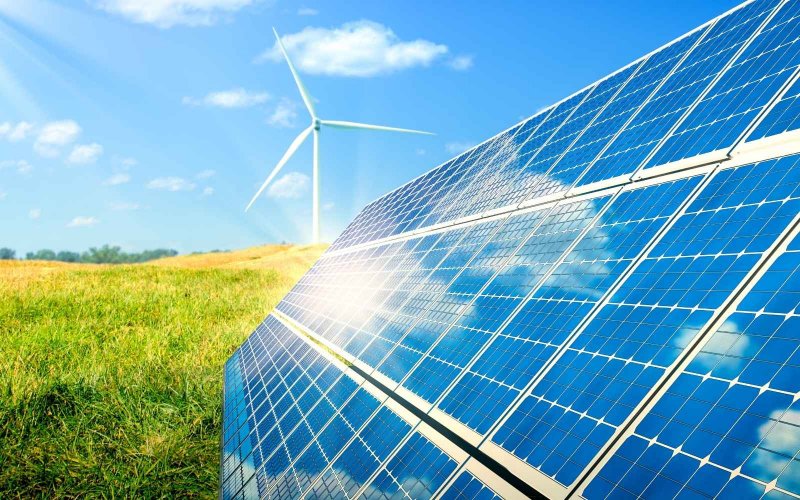
Renewable energy is expected to dominate the future global energy system as countries accelerate efforts to reduce fossil fuel dependence and expand electrification across major industries.
A new report from the International Renewable Energy Agency (IRENA) says growing geopolitical tensions, rising energy demand, and volatility in fossil fuel markets are speeding up the global shift toward cleaner energy sources and electricity-driven economies.
Renewable Energy Expected to Dominate Future Power Demand
The report projects that electricity’s share of global energy consumption could rise from around 23% today to more than 50% by 2050, with renewable energy supplying most of the additional demand.
IRENA also forecasts a sharp decline in fossil fuel use over the next few decades. Fossil fuels currently account for roughly 80% of global energy consumption, but that figure could fall to 50% by 2035 and below 20% by 2050 if countries accelerate the energy transition.
The agency warned that current global energy systems remain unprepared to meet international climate goals, particularly the target of limiting global warming to 1.5°C.
Why Renewable Energy Is Becoming More Important
According to the report, the next stage of the global energy transition must focus heavily on electrifying transport, manufacturing, buildings, and digital infrastructure while simultaneously reducing reliance on fossil fuels.
IRENA Director-General Francesco La Camera said the world is entering a “new energy reality” that requires much deeper structural changes than previously expected.
He explained that expanding renewable energy and improving efficiency alone will not be enough unless countries also modernise energy systems and reduce fossil fuel consumption across both supply and demand sectors.
La Camera stressed that electrification and fossil fuel phase-out must move forward together if countries want to achieve long-term climate and energy security goals.
Grid Expansion Becomes Major Challenge
One of the biggest obstacles facing renewable energy growth is outdated electricity infrastructure.
IRENA estimates that approximately 2,500 gigawatts of wind and solar projects worldwide are currently waiting for grid connections because existing electricity networks cannot support them fast enough.
The agency says governments urgently need to expand electricity grids, improve energy storage systems, and increase power system flexibility to meet future demand reliably.
Annual global investment in grid infrastructure may need to reach $1.2 trillion, more than double the amount invested in 2025.
Experts say delays in grid modernisation could slow down renewable energy adoption despite rapid growth in solar and wind generation capacity.
Electric Vehicles and Hydrogen Gain Momentum
The report also highlights the growing importance of electric vehicles, hydrogen fuel systems, industrial electrification technologies, and building retrofits in reducing global emissions.
Governments are being encouraged to increase investment in charging infrastructure, hydrogen supply chains, and clean industrial technologies to support the transition away from fossil fuels.
Renewable energy expansion is also expected to create new industrial sectors, strengthen energy security, and reduce dependence on imported fossil fuels.
Analysts say countries investing early in clean energy infrastructure may gain long-term economic advantages through innovation, manufacturing growth, and lower energy costs.
Global Climate Goals Under Pressure
The report was released ahead of international climate discussions linked to COP30 and follows agreements made during COP28 to triple renewable energy capacity and double energy efficiency improvements by 2030.
However, IRENA warned that existing commitments are no longer sufficient on their own to deliver the scale of transformation required.
The agency called for stronger global cooperation, faster permitting processes, and new electrification targets to accelerate the transition.
Energy experts believe the pace of renewable energy adoption over the next decade will play a major role in determining whether countries can successfully reduce emissions while meeting rising global power demand.
As electricity becomes increasingly central to transport, industry, and digital economies, renewable energy is expected to become one of the defining economic and geopolitical forces of the coming decades.