The Gulf safe-haven reputation is facing fresh pressure as wealthy Asian investors begin to reassess their exposure to the Middle East. What once looked like a stable destination for capital, relocation, and real estate is now being tested by conflict, travel disruptions, and rising fears over regional security.
The change in mood has been swift. As the conflict involving Iran, the United States, and Israel deepens, many investors across Asia are starting to question whether the Gulf can still offer the safety and predictability that made it so attractive in recent years. Even if the fighting eventually cools, analysts say the damage to confidence may last much longer.
Gulf Safe-Haven Status Comes Under Pressure
The Gulf safe-haven image had become a major draw for Asian businesses, family offices, and high-net-worth individuals. Cities such as Dubai had built strong appeal by offering political stability, strong infrastructure, business-friendly regulation, and a sense of insulation from wider regional turmoil.
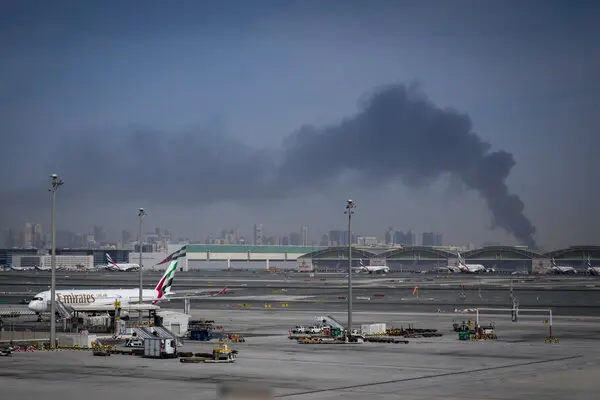
That confidence has now been shaken. Since late February, Iran has launched missiles and drones at several countries across the region, including Bahrain, Iraq, Israel, Jordan, Kuwait, Qatar, Saudi Arabia, and the United Arab Emirates. The attacks have disrupted transport networks, forced airspace closures, and stranded large numbers of travellers.
At the same time, the closure of the Strait of Hormuz has created another layer of uncertainty. Because the waterway is critical for global oil and gas shipments, its disruption has added to financial anxiety and raised broader concerns about the region’s stability.
Gulf Safe-Haven Appeal Had Attracted Asian Capital
Before the current crisis, the Gulf safe-haven story had been gaining momentum among Asian investors. Many saw the Middle East as a promising growth frontier, especially as Dubai and other Gulf cities expanded their appeal as hubs for wealth, trade, and property investment.
The timing of the conflict is especially significant. Only days before the latest escalation, research from the Dubai International Chamber showed that nearly half of the multinational companies attracted to Dubai last year came from Asia. That figure highlighted just how important Asian capital had become to the city’s expansion strategy.
Now that optimism is being replaced by caution. Investors who had viewed the region as a secure place to diversify wealth are beginning to consider whether the risks were underestimated.
Gulf Safe-Haven Confidence May Take Time to Recover
Analysts say the Gulf safe-haven image may not recover quickly because fear tends to outlast the immediate crisis. When people experience missile threats, drone strikes, and travel shutdowns, those memories often shape future investment decisions.
Experts say wealthy clients in Asian financial centres have already begun asking tougher questions about exposure to the Gulf. Some individuals who had moved from Hong Kong to Dubai for lifestyle and investment reasons are reportedly reconsidering those choices.
That response reflects more than short-term panic. It suggests that the psychological effect of war can alter how investors judge risk, even after peace returns.
Gulf Safe-Haven Reputation Matters for Property Markets
The Gulf safe-haven narrative is especially important for the region’s property sector. In cities such as Dubai and Riyadh, real estate does more than generate returns. It also serves as a symbol of confidence, stability, and long-term growth.
When that perception weakens, investors often react quickly. Some market observers already expected the UAE property market to cool in 2026 as new supply enters the market. The current conflict could add more downward pressure, although the full effect is still unclear.
History offers a warning. During the 2008 to 2009 financial crisis, Dubai saw a sharp retreat of foreign capital, stalled projects, and falling property prices. Recovery took time and required strong backing from Abu Dhabi. Analysts say the current moment is different, but it still shows how vulnerable confidence-driven markets can be when investors feel unsafe.
Gulf Safe-Haven Debate Could Shift Investment Flows
The debate over the Gulf safe-haven status may now push some Asian investors to diversify elsewhere. Market voices are already urging clients to spread risk rather than remain heavily concentrated in one region.
That does not mean the Gulf will lose all of its appeal. The region still offers world-class infrastructure, global connectivity, and ambitious development plans. However, investors now appear more aware that geopolitical risk can reach even the markets once seen as sheltered.
If tensions remain high, capital flows may begin shifting toward other destinations viewed as less exposed to conflict. That would create a new challenge for Gulf economies that have spent years building an image of security and resilience.
For now, the Gulf remains a major investment destination. But the latest crisis has made one thing clear: the safe-haven label is no longer being taken for granted.