Nepal and Bangladesh have agreed to fast-track talks on a preferential trade pact, aiming to resolve tariff and para-tariff hurdles that stalled progress for years.
Nepal and Bangladesh have taken a fresh step toward reviving a long-delayed preferential trade pact, signaling renewed political will to deepen bilateral trade and investment ties. The latest commerce secretary-level meeting in Dhaka ended with both sides agreeing to accelerate negotiations that have remained stalled since 2020 due to disputes over tariffs and para-tariffs.
The agreement marks a cautious but notable shift in momentum. Nepal and Bangladesh will convene a Trade Negotiation Committee meeting in Nepal within the next three months to finalize the draft preferential trade arrangement, rules of origin, and a targeted list of goods. The trade pact is expected to focus on practical market access rather than broad liberalization, reflecting lessons from earlier stalled talks.
Officials from both sides emphasized that the renewed push is not only about tariff reductions but also about fixing procedural barriers that slow trade. These include customs harmonization, smoother cross-border payments, and the removal of non-tariff obstacles that raise costs for exporters and importers.
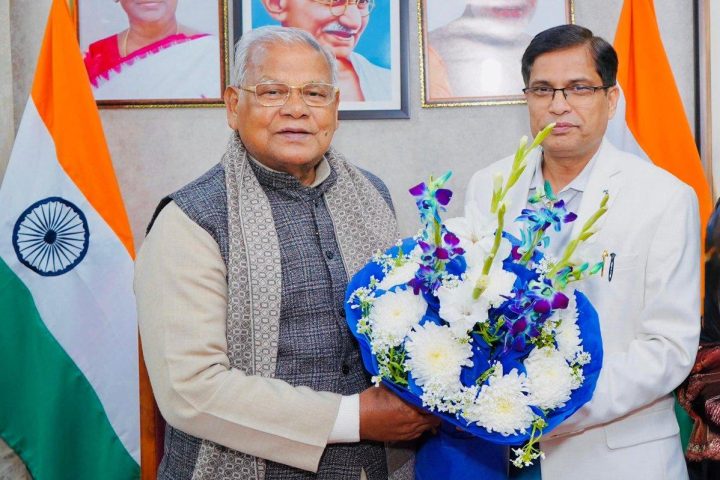
The Nepali delegation was led by Ram Prasad Ghimire, secretary at Nepal’s Ministry of Industry, Commerce and Supplies, while the Bangladeshi side was headed by Mahbubur Rahman, secretary at Bangladesh’s Ministry of Commerce. Their meeting underlined shared interest in making the trade pact commercially meaningful rather than symbolic.
Trade experts in Nepal have consistently pointed to Bangladesh’s para-tariff regime as the core challenge. Para-tariffs are additional border charges imposed alongside standard customs duties, often in the form of surcharges and special levies. While legally permissible, they significantly inflate import costs and weaken price competitiveness for Nepali products entering Bangladesh.
Former trade secretary Rabi Shankar Sainju said meaningful progress will depend on Bangladesh easing both tariffs and para-tariffs. He argued that Nepal should prioritize a focused list of around 10 to 15 products with strong domestic production, high value addition, and clear demand in the Bangladeshi market to ensure early gains under the trade pact.
Nepal and Bangladesh had earlier planned to conclude the agreement by mid-2020, but negotiations were derailed first by the Covid-19 pandemic and later by political changes in Nepal. The latest meeting reflects a renewed effort to move past those disruptions and anchor trade cooperation in practical reforms.
Beyond goods trade, the two countries agreed to strengthen cooperation in tourism, investment, and services. Plans include developing a joint tourism action plan, promoting hydropower investment in Nepal, and expanding value-chain partnerships in goods and services. Officials also committed to boosting cooperation at both government-to-government and business-to-business levels.
Visa facilitation emerged as another priority area. Both sides agreed to simplify procedures for business visas, professional visas, and tourist travel to encourage stronger commercial and people-to-people ties. Regular trade fairs, information exchange, and capacity-building initiatives, particularly for micro, small, and medium enterprises, were also endorsed.
Despite progress, challenges remain. Nepali officials note that when Bangladesh’s para-tariffs are added to standard duties, total charges on Nepali exports can exceed 130 percent. Bangladesh has been cautious about removing these levies, citing potential revenue losses, even though such barriers limit trade growth.
Trade volumes highlight the imbalance. Nepal’s total trade with Bangladesh stands at Rs5.84 billion, with exports rising 20 percent last fiscal year to Rs666.15 million. Imports from Bangladesh, however, surged nearly 56 percent to Rs5.18 billion, underlining the urgency for Nepal to secure better market access through the trade pact.
If successfully concluded, the agreement could mark a turning point in economic relations between Nepal and Bangladesh, transforming years of stalled dialogue into a structured framework for sustainable trade growth.