The 78th Session of the WHO Regional Committee for South-East Asia officially opened on 13 October 2025 in Colombo, Sri Lanka. Over the next three days (until 15 October), health ministers, senior officials, WHO leadership, and partner stakeholders will meet to set health priorities, review progress, adopt resolutions, and chart regional direction for coming years.
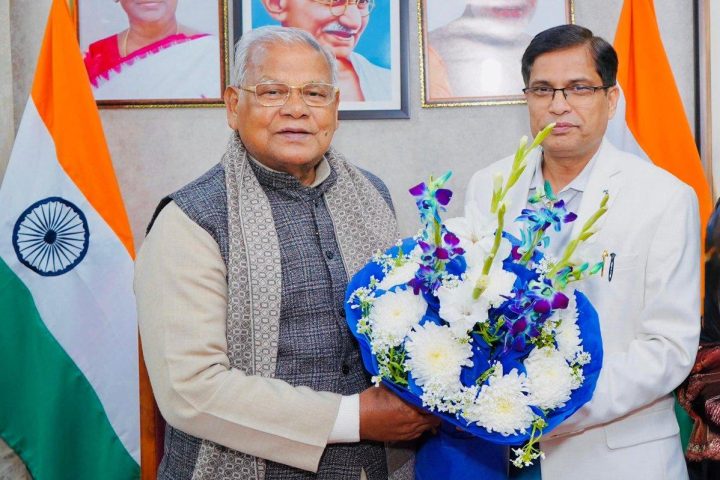
Sri Lanka is hosting this year’s meeting, and the inaugural session featured remarks from prominent figures including the Speaker of the Parliament, Dr. Jagath Wickramaratne, WHO Director-General Dr. Tedros Adhanom Ghebreyesus, and Sri Lanka’s Minister of Health & Mass Media, Dr. Nalinda Jayatissa. Also addressing the meeting was Dr. Catharina Boehme, Officer-in-Charge of WHO’s South-East Asia regional office.
In her opening remarks, Dr. Boehme affirmed WHO’s renewed commitment to making the organization leaner, more agile, and more responsive to country needs. She emphasized that in an era of global crises, fiscal constraints, and shifting health dynamics, the Region must “deliver measurable outcomes” guided by the principle of health for all, by all.
Regional Health Challenges & Key Agenda Themes
The session arrives amid a backdrop of evolving health challenges in South-East Asia — from noncommunicable diseases and ageing populations to rising threats from antimicrobial resistance (AMR) and health emergencies. Delegates will deliberate over major thematic priorities:
1. Healthy Ageing and Primary Health Care
One major agenda item is adopting a declaration on healthy ageing. With demographic projections estimating that by 2050, one in five people in the Region will be over 60, WHO is pushing for transformative change in how health systems deliver care to older populations.
Dr. Boehme and other speakers underscored that primary health care (PHC) must become the backbone of ageing care — capable of handling chronic and complex conditions, prevention, rehabilitation, and ongoing support. She said health systems must shift from episodic, disease-focused models to more continuous, person-centered care.
2. Tobacco and Novel Nicotine Products
Another focal area is tobacco control, specifically tackling smokeless tobacco, e-cigarettes, nicotine pouches, and areca nut use. South-East Asia bears a heavy burden: over 280 million adult smokeless tobacco users and roughly 11 million adolescent tobacco users in the Region.
Ministers are expected to propose strengthened policy measures and regional cooperation to counter these forms of tobacco and novel nicotine products, especially where regulation, taxation, public awareness, and enforcement lag.
3. Health Emergencies & SEARHEF
The South-East Asia Regional Health Emergency Fund (SEARHEF) is central to the meeting. Since its establishment in 2008, SEARHEF has supported responses to 49 emergencies across 10 member states. Its mandate now also covers preparedness, not just response.
Delegates will debate expanding the fund’s corpus to better support future emergencies, especially given the region’s vulnerability to natural disasters, pandemics, and other health shocks.
4. Antimicrobial Resistance (AMR)
Advancing action on antibiotic resistance is another priority. Member States are expected to align regional policy actions with global commitments—such as the UN Political Declaration on AMR—and accelerate implementation of national AMR strategies.
5. Progress Review, Resolutions & SDG Health Agenda
The session offers an opportunity to review implementation of past resolutions and commitments, assess gaps, and authorize new ones. It will also shape how the Region advances toward health-related Sustainable Development Goals (SDGs) in the context of constrained resources and competing priorities.
Participation & Institutional Setup
Health ministers and senior officials from eight Member States are present. In addition, delegates include ambassadors from two countries, WHO regional experts, technical partners, and observers.
WHO’s Director-General, Dr. Tedros, is in attendance to underscore global commitment to regional health challenges.
The WHO Regional Office for South-East Asia, led by Dr. Boehme, provides technical support, secretariat functions, and coordination across the meeting’s agenda.
Hosting by Sri Lanka gives the country a moment to highlight its health achievements, challenges, and spectator status in regional leadership. The Speaker of Parliament’s presence at the opening illustrates political backing for health sector focus.
Strategic Importance & Regional Context
Why this Session Matters
This session happens at a critical juncture: global health emergencies, climate change, fiscal constraints, evolving demographic pressures, and shifting geopolitical dynamics all stress health systems. Countries in South-East Asia must coordinate more closely to pool resources, share best practices, and avoid fragmented responses.
Moreover, the Region is recovering from COVID-19 and related disruptions. Many systems are stretched; many countries are seeking to rebuild stronger, more resilient health architectures. This meeting offers a blueprint for cooperative action.
Existing Health Challenges in the Region
- Dual burden of disease: The Region is grappling with infectious diseases and rapidly rising noncommunicable diseases (NCDs) like diabetes, heart disease, cancer.
- Tobacco & nicotine culture: Smokeless tobacco and areca nut are culturally embedded in many communities, making enforcement and public education difficult.
- Health inequities: Rural / marginalized populations often struggle for equitable access to essential services.
- Resource constraints: Many health ministries face limited budgets, workforce shortages, logistical gaps, and infrastructure deficits.
- Frequent emergencies: Natural disasters (floods, cyclones, earthquakes), vector-borne disease outbreaks, and climate stressors perpetually test readiness.
Risks, Obstacles & Points of Tension
- Funding gaps: Expanding SEARHEF or new programs will require additional budget commitments from member states and external donors.
- Political will & coordination: Achievements depend on strong domestic buy-in from health ministries, interagency alignment, and sustained implementation beyond the meeting.
- Varied capacities: Member states differ widely in health infrastructure, technology adoption, workforce strength, administrative systems, and readiness—making uniform implementation a challenge.
- Regulation and enforcement: Measures to counter smokeless tobacco or novel nicotine products require legislative backing, enforcement capacity, and public acceptance.
- Balance between regional and national priorities: Countries may prioritize local political or health crises over regional agenda items.
- Sustainability and follow-through: Agreements and resolutions must translate into budgets, policy changes, and measurable actions, not just declarations.
What to Watch Over the Three Days
- Resolutions adopted: Which topics make it into binding commitments—healthy ageing, AMR, tobacco regulation, SEARHEF expansion.
- Declaration on healthy ageing: Whether member states agree on a shared framework and measurable targets.
- Funding commitments: New pledges to SEARHEF, or contributions by nations or partners.
- Accountability mechanisms: How progress will be tracked, monitored, and reviewed in subsequent sessions.
- Technical cooperation agreements: Bilateral or multilateral partnerships for capacity building (e.g. labs, data systems, workforce training).
- Media reaction and public messaging: How outcomes are communicated to citizens, regional stakeholders, and global health community.
- Follow-up activities: Timelines for implementation, national adaptation plans, and how WHO SEARO supports these.
Broader Implications for Global Health
This regional meeting dovetails with global health priorities: the revised International Health Regulations (IHR), the proposed Pandemic Agreement, and broader aspirations to prepare for the next global health threat. Dr. Boehme, in her remarks, tied the regional agenda to these global agreements, saying WHO has rebuilt the foundations of global health security.
If the Region can make real progress, it can become a model for other WHO regions—showing how regional coordination, shared funds, and joint strategies can strengthen resilience.
Conclusion
The 78th Session of the WHO Regional Committee for South-East Asia, now underway in Colombo, carries both symbolism and urgency. In a time of cascading health challenges, demographic shifts, and constrained resources, regional cooperation is no longer optional—it is essential.
Over the next three days, member states will negotiate hard on ageing, tobacco control, emergency funds, antimicrobial resistance, and more. The outcomes could redefine how health is governed in South-East Asia over the coming decade.
Whether they emerge with strong, actionable commitments or only broad declarations will matter greatly. In the end, the success of the session will be measured not by speeches, but by implementation: real impact on health, equity, and resilience.