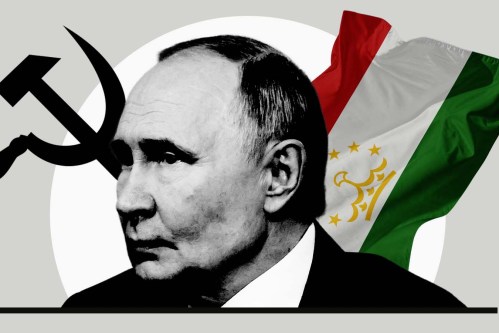
Putin Arrives in Tajikistan for Key Summit Meetings in Central Asia
Dushanbe, Tajikistan – October 8, 2025 – Russian President Vladimir Putin arrived in Dushanbe on October 8 for a three-day state visit. The trip aims to reinforce Russia’s influence in Central Asia. The region has seen growing competition from China and Western nations. Moscow’s visit underscores its commitment to preserving strategic partnerships with former Soviet republics.
Strengthening Bilateral Ties with Tajikistan
Upon arrival, President Putin received a warm welcome from Tajik President Emomali Rahmon. The leaders are set to discuss a range of issues, including military cooperation and regional security. They will also address concerns regarding Central Asian migrant workers in Russia. Tajikistan is one of Russia’s closest allies in the region. A large number of Tajik nationals work and live in Russia, making this relationship particularly significant.
Discussions are expected to cover energy, trade, and infrastructure projects, as well as joint military exercises. Both countries aim to strengthen their strategic and economic ties amid increasing competition from China.
Russia-Central Asia Summit
Following bilateral talks, President Putin will join the Russia-Central Asia summit. Leaders from Kazakhstan, Kyrgyzstan, Turkmenistan, and Uzbekistan are also attending. The summit will focus on regional development, trade agreements, and security cooperation.
This meeting comes at a time when Russian influence in Central Asia has been challenged by rising Chinese and Western involvement. The summit provides a platform for Moscow to reassert its leadership role and ensure continued cooperation with the five former Soviet republics.
Commonwealth of Independent States (CIS) Meeting
On Friday, the summit will expand to include the broader Commonwealth of Independent States (CIS). Armenia, Azerbaijan, and Belarus are expected to join. The expanded forum highlights Russia’s desire to maintain a central role in post-Soviet multilateral institutions.
Key discussions will include economic integration, security coordination, and the management of regional crises. Analysts say the CIS meeting is a strategic effort to consolidate Moscow’s influence in the former Soviet space.
Geopolitical Context
President Putin’s visit occurs amid significant geopolitical shifts in Central Asia. China’s Belt and Road Initiative and the European Union’s €15 billion investment plan are reshaping the region’s economic landscape. China has invested heavily in infrastructure projects, including the renovation of Tajikistan’s M41 highway. The European Union is funding transport networks and resource development projects.
These initiatives are increasing competition for influence. Russia is keen to maintain a strong presence in a region historically within its sphere of influence. Tensions with some former allies, such as Kazakhstan, which did not endorse Russia’s invasion of Ukraine, further complicate Moscow’s efforts.
Legal Considerations
Despite an International Criminal Court (ICC) warrant related to the war in Ukraine, Tajikistan allowed President Putin to enter. Human Rights Watch had called on Tajik authorities to ban or arrest Putin upon arrival. The decision to permit his visit reflects Tajikistan’s close ties with Russia.
Experts suggest that Tajikistan sees strategic advantages in maintaining strong bilateral relations with Moscow. These include economic support, security guarantees, and continued cooperation in combating terrorism and organized crime in the region.
Economic and Security Cooperation
Russia and Tajikistan have a long-standing history of economic and military collaboration. Energy trade, border security, and joint military exercises remain central to the partnership. Tajikistan hosts Russian military bases, which play a crucial role in regional stability.
Additionally, both nations are expected to sign agreements related to trade facilitation and investment projects. Analysts believe these agreements are designed to strengthen Russia’s foothold in Central Asia amid rising competition from Beijing and Brussels.
Conclusion
President Putin’s visit highlights Russia’s determination to maintain influence in Central Asia. The summit meetings will serve as a platform to deepen political, economic, and security ties with key regional partners.
As China and Western powers increase their involvement in the region, Moscow faces a complex geopolitical landscape. The outcomes of these discussions will be pivotal in shaping Russia’s role in Central Asia over the coming years. The visit underscores both the challenges and opportunities Moscow faces as it seeks to secure its strategic interests.