A landmark legal case accusing Myanmar of committing genocide against the Rohingya minority is being heard at the United Nations’ highest judicial body, marking a significant moment in international justice efforts. The case, filed in 2019, places renewed global focus on alleged crimes committed during a military crackdown that forced hundreds of thousands to flee their homes. Rohingya Genocide Case Against Myanmar Heard at UN Court
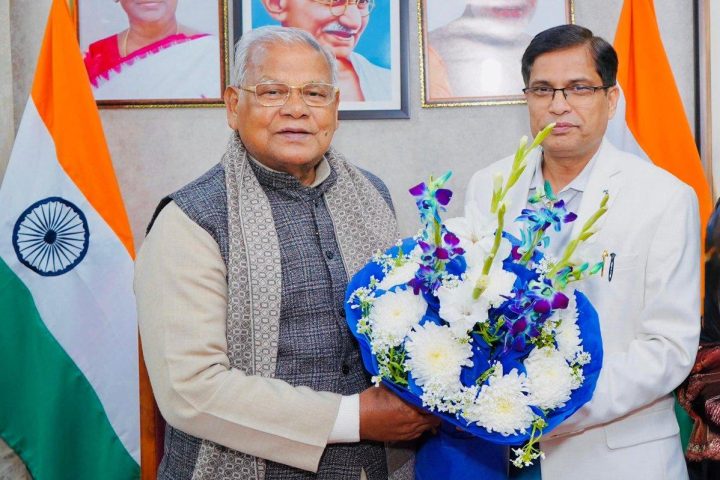
Speaking before the International Court of Justice, Dawda Jallow, foreign minister of The Gambia, said Myanmar pursued policies intended to erase the Rohingya people. He told judges that credible reports described widespread and brutal violations against a vulnerable population that had already endured decades of persecution.
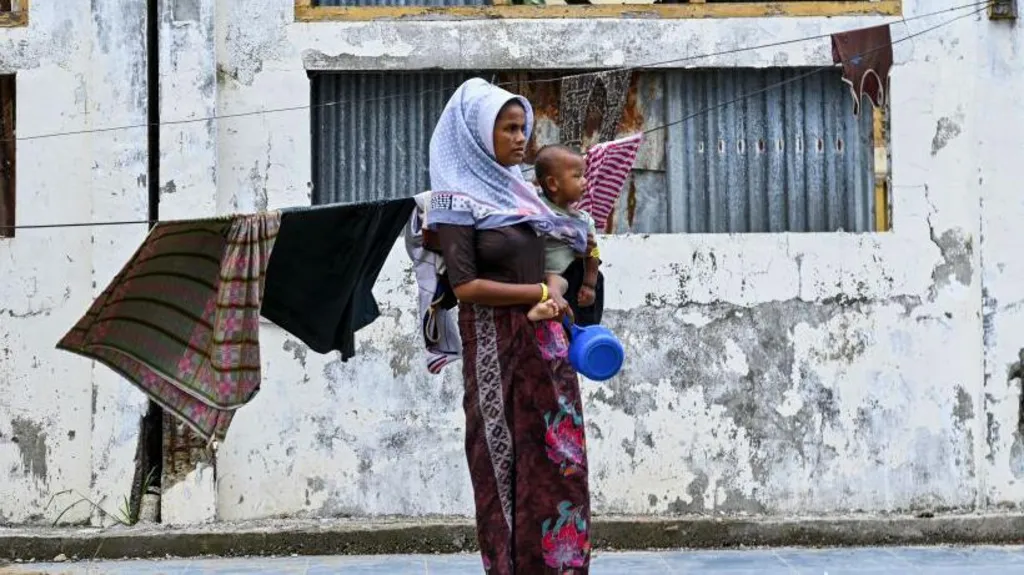
The case centers on violence in 2017, when Myanmar’s military launched operations in Rakhine State that killed thousands and drove more than 700,000 Rohingya into neighboring Bangladesh. Survivors have described killings, mass displacement, and systematic abuse, allegations Myanmar has consistently denied.
According to Jallow, years of dehumanizing propaganda preceded the crackdown, which he described as part of a broader pattern of genocidal conduct. A 2018 United Nations investigation supported calls for senior military leaders to face genocide investigations, a report Myanmar rejected, maintaining that its actions targeted insurgent threats rather than civilians.
Myanmar will have the opportunity to respond to the allegations during the hearings, which are scheduled to continue through the end of the month. The court has also allocated time to hear testimony from witnesses, including Rohingya survivors, although these sessions will take place behind closed doors.
While the International Court of Justice cannot prosecute individuals, its rulings carry substantial legal and political weight. Any final judgment, expected months or even years from now, could influence future international action and shape accountability efforts within the UN system.
Jallow said The Gambia pursued the case out of a sense of moral responsibility, drawing on its own history under military rule. He warned that Myanmar remains caught in a cycle of violence and impunity following the military coup of 2021, which overthrew the civilian government.
Myanmar’s former leader, Aung San Suu Kyi, saw her international standing suffer after defending the military against genocide accusations before her removal from power. The unfolding case now stands as one of the most significant international legal efforts to address alleged atrocities against the Rohingya people.