Typhoon Bualoi has struck northern Vietnam, leaving at least 36 people dead and causing widespread damage across several provinces. Rescue teams are working tirelessly to assist affected communities and assess the full scale of destruction.
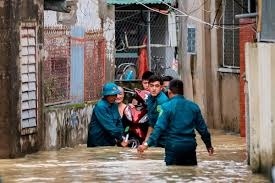
The typhoon brought heavy rainfall and strong winds, resulting in flooding, landslides, and damaged infrastructure. Roads have been blocked, and many homes were either destroyed or severely damaged, leaving thousands displaced. In addition, power outages and communication disruptions have complicated relief operations.
Vietnamese authorities have mobilized emergency response teams, including military units, police, and medical personnel, to conduct search-and-rescue operations. Temporary shelters have been established for displaced residents, and essential supplies such as food, water, and medical aid are being distributed.
The government has urged citizens to remain indoors and avoid affected areas while teams clear debris and restore essential services. Schools and businesses in heavily impacted regions remain closed as safety inspections continue.
International aid organizations are coordinating with local authorities to provide additional support, sending teams and relief supplies to the hardest-hit areas. Officials emphasize that timely intervention is crucial to prevent further loss of life and to assist those in urgent need.
President Vo Van Thuong expressed condolences to the victims’ families and pledged full government support for recovery and reconstruction efforts. Authorities are also investigating measures to improve disaster preparedness for future typhoons.
In conclusion, while Vietnam grapples with the immediate impact of Typhoon Bualoi, coordinated rescue and relief operations continue. Officials stress the importance of following safety guidelines to minimize further casualties.